Fire Managment
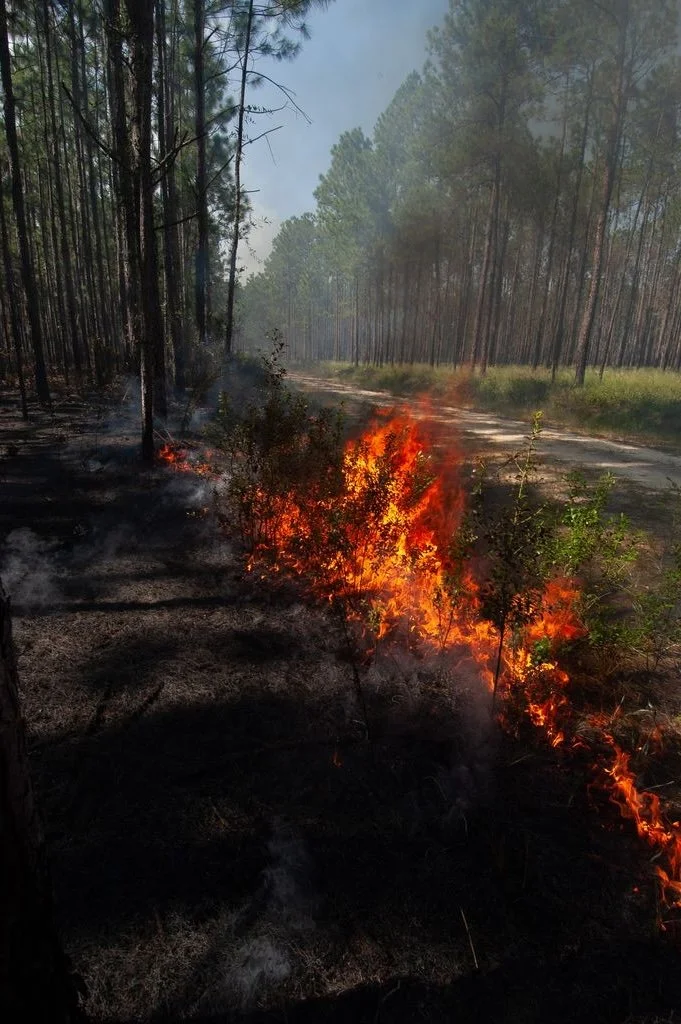
To maintain the target of a 3-year burn interval as established in the 10-year management plan (USDA FS 1999), the Forest Service should endeavor to burn 200,000 acres on average each year in the Apalachicola National Forest (ANF) with an emphasis on burns during the historic “natural” burn season, which is the period June through July with fewer fires in late May and August.
We appreciate the phenomenal effort by ANF fire personnel to maintain the needed fire regime in the face of numerous challenges. The Friends of the Apalachicola National Forest will work with the Forest Service to address the bottlenecks of funding, person power, and regulations that may impede achieving and maintaining a fire regime that will enhance the ecological richness of ANF.
Timber Management
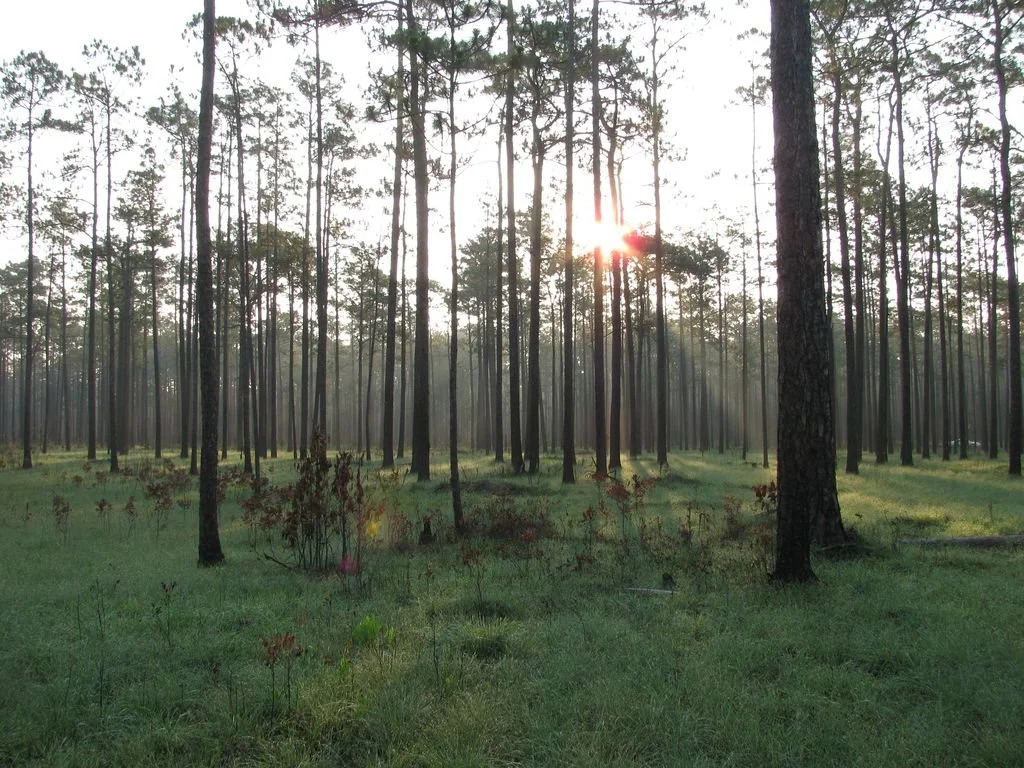
Under the 1999 plan (USDA Forest Service 1999), emphasis switched from clearcutting to uneven-aged management and from artificial regeneration to natural regeneration on the Apalachicola National Forest (ANF). Uneven-aged management involves selective harvest and natural regeneration within natural and created gaps. Restoring longleaf pine to sites planted in slash pine may involve clearcutting and replanting longleaf depending on a variety of factors. Given the critical role of fire in the longleaf pine ecosystem, care of groundcover is paramount in any timber operation.
Off-road Vehicles
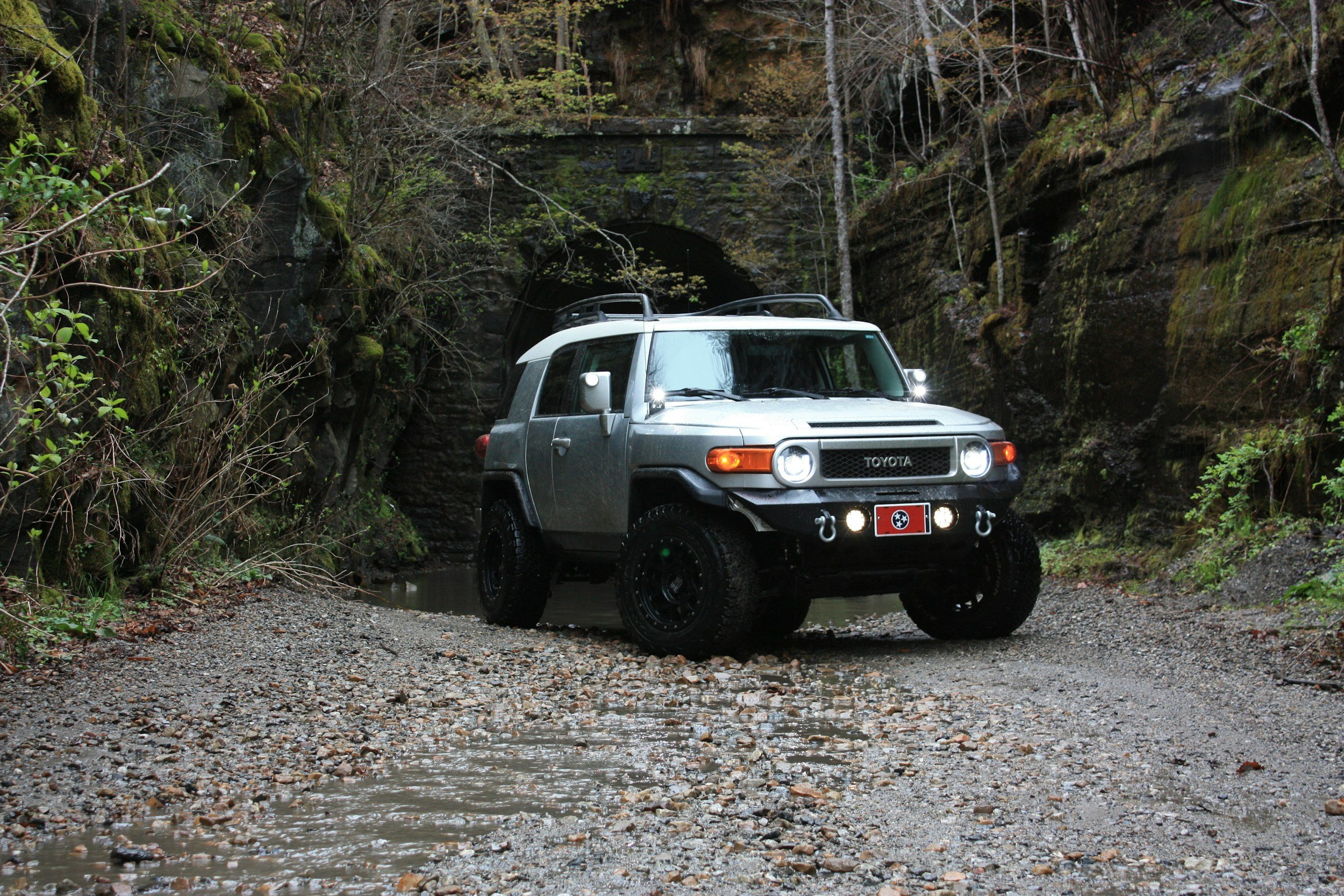
One of the fastest growing threats to the ANF derives from vehicular traffic in the forest, especially from off-road vehicles, including all-terrain vehicles (ATVs) and motorcycles, but also including ordinary trucks and cars. The increase in ATV and off-road motorcycle traffic are especially alarming. The very purpose of these vehicles is incompatible with good forest stewardship.
Visiting Sensitive Natural Areas
It is possible to destroy or damage that which we love. It is critical when visiting botanical important areas to respect the sensitivity of each site by staying on marked trails, not touching or picking plants, avoiding trampling the vegetation—especially during wet conditions, and being aware of local rules to protect rare species and habitats.
Longleaf Restoration
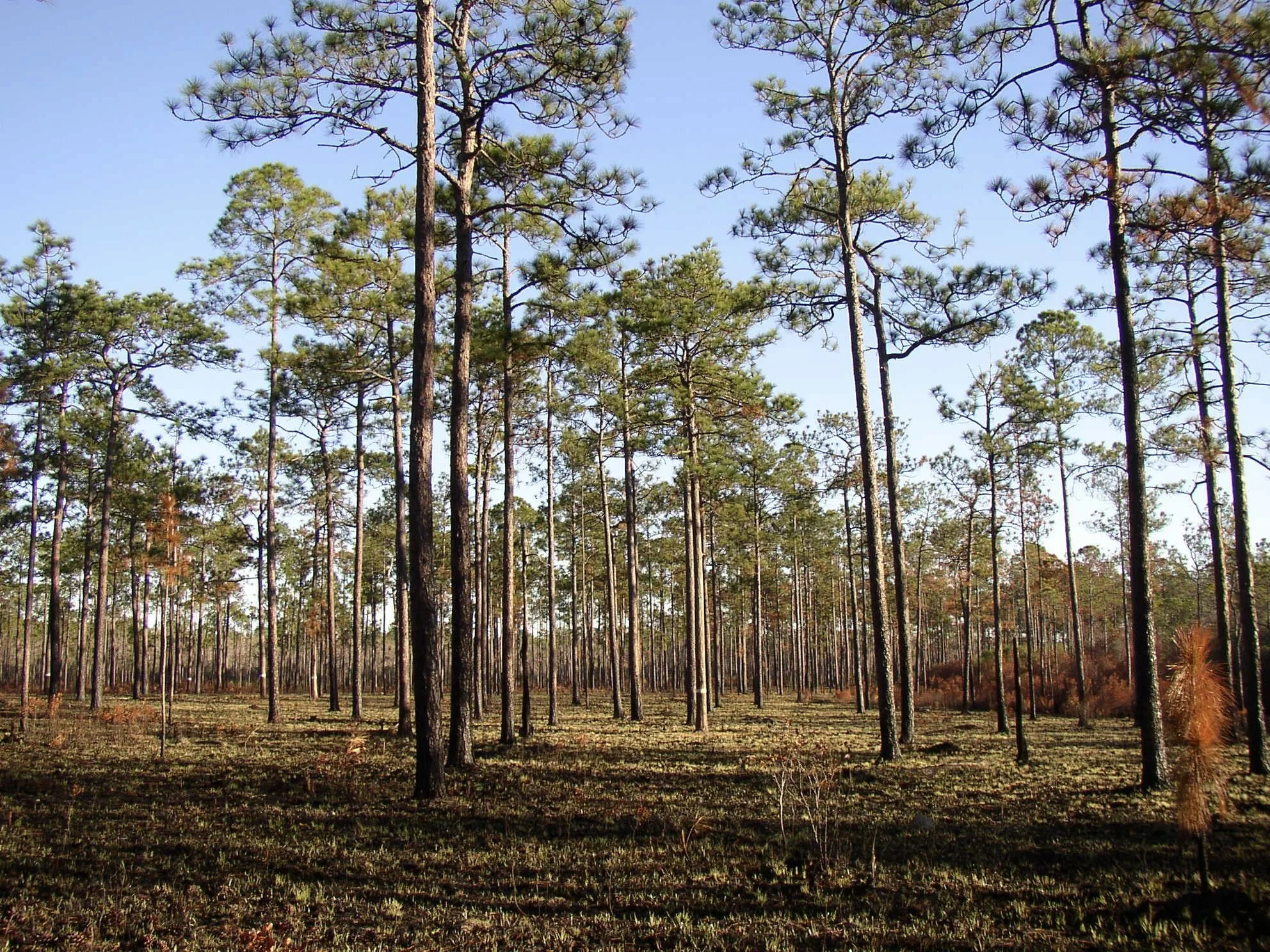
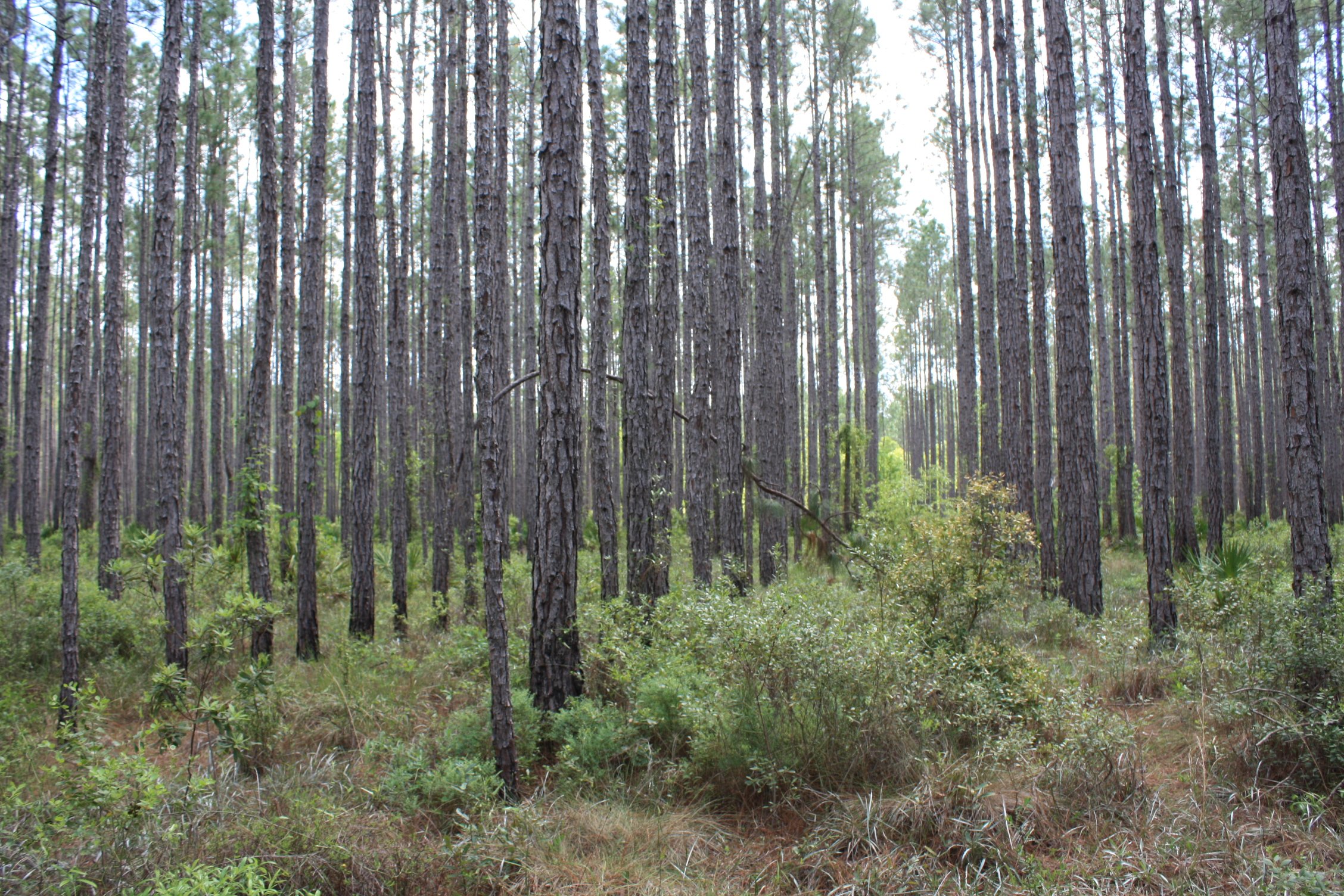
The ecological condition of the older slash pine plantations, planted before 1960, varies depending on their history of harvest and burning. They are regularly burned, thinned, and treated with herbicides to control undergrowth. The plantations planted since 1960 in the sandhills are viewed as having been planted in soil that is too xeric, off-site. They are now being clearcut, treated with herbicides, and planted with longleaf seedlings and wiregrass seed. Plantations planted since 1960 in the flatwoods, where slash pine invades naturally and is not really off-site, are being treated similarly.
Invasive Exotic Plants
For Florida an invasive exotic plant is a species introduced to the state, purposefully or accidentally, from a natural range outside the state that has naturalized and is expanding on its own in Florida native plant communities. Some invasive exotics spread aggressively and can pose a significant threat to native species. The Florida Exotic Pest Plant Council has identified the most invasive ones (https://www.floridainvasives.org/plant-list/2023-invasive-plant-species/), and the Forest Service tries to control these and to limit opportunities for invasion (3-23; USDA FS 1999).
Only 11 of the 91 species listed in the list of invasive plants that occur in north Florida (C-3; USDA FS 1999) have been documented to occur on ANF (Table 1) and an additional 28 species are possible but have not been documented (Table 2). For example, coral ardesia (Ardesia crenulata) is not listed on the plant list for ANF, but it undoubtedly occurs there. Japanese climbing fern (Lygodium japonicum) and cogongrass (Imperata cylindrica) are likely the most common invasive exotic plants in Apalachicola National Forest.
Old-growth
Old-growth forests provide a variety of values, such as biological diversity, wildlife habitat, recreation, aesthetics, soil productivity, water quality, aquatic habitat, cultural values, and high-value timber products. The Forest Service recognizes old-growth forests as a valuable natural resource worthy of protection, restoration, and management. For example, the ANF management plan recommended setting aside over 12,000 acres of longleaf dominated woodlands as future potential old-growth special management areas (Table F1; USDA Forest Service 1999).