
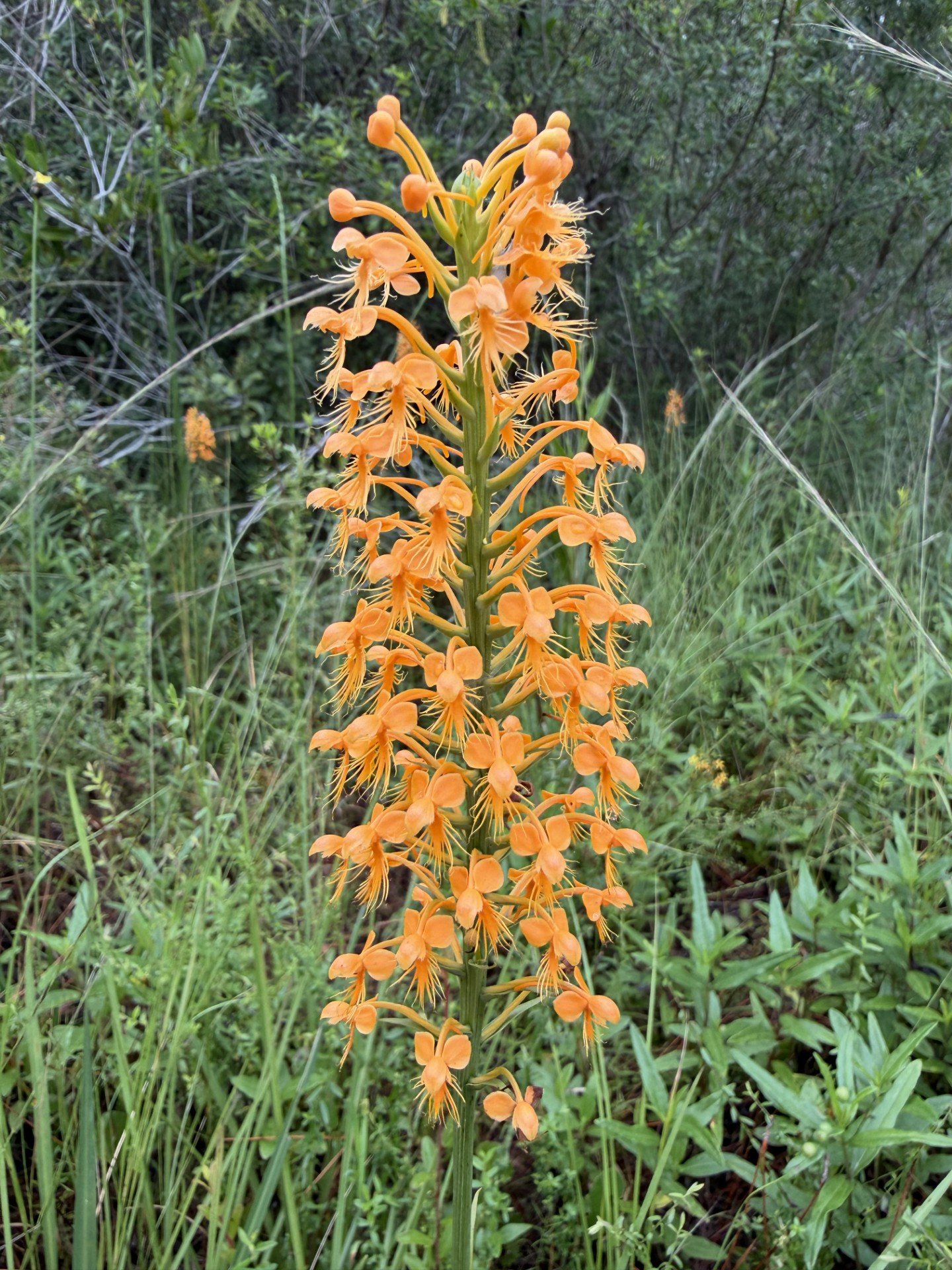
Visiting Sensitive Natural Areas
It is possible to destroy or damage that which we love. It is critical when visiting botanical important areas to respect the sensitivity of each site by staying on marked trails, not touching or picking plants, avoiding trampling the vegetation—especially during wet conditions, and being aware of local rules to protect rare species and habitats.
Visiting Sensitive Botanical Areas
AI Google search for visiting sensitive botanical areas
Visiting a sensitive botanical area means respecting delicate ecosystems by staying on marked trails, not touching or picking plants, and being aware of local rules to protect rare species and habitats, often involving packing essentials like water and sun protection while learning about local flora, like Florida's toxic poisonwood. Always check specific rules for the location (e.g., pet policies, fees, accessibility) and consider potential hazards like pollen or poisonous plants (like poison ivy, nettles, poisonwood).
Before you go:
• Research the location: Look up the specific rules and features of the botanical area you're visiting (e.g., Klamath National Forest's unique soils, National Park Service gardens)
• Check for hazards: Be aware of local poisonous plants (e.g., poisonwood in Florida) and potential allergens
• Know the rules: Confirm pet policies (service animals often allowed, pets usually not), entry fees, and opening hours.
What to bring:
• Water & Snacks: Stay hydrated and energized
• Sun Protection: Sunscreen, hat, sunglasses
• Camera: To capture the beauty
• Identification Help: Plant ID apps or guides can enhance your experience.
• Cash/Card: For fees or donations.
While you're there:
• Stay on Trails: Protect fragile plants and soils by sticking to marked paths (like crushed gravel trails).
• Look, Don't Touch: Avoid picking or disturbing plants; some areas may have delicate or toxic species.
• Observe Wildlife: Look for birds, bats, or other animals, especially at dawn/dusk.
• Be Allergy-Aware: Be mindful of pollen, mold, or potential skin irritants.
• Respect Others: Keep noise down to enjoy the serenity and wildlife.
Examples of sensitive areas:
Klamath National Forest: Features ultramafic soils with rare plants.
Ethno-botanical Gardens (NPS): Focus on traditional uses and native plants.
Florida's Habitats: Home to unique plants like poisonwood and manchineel.
By preparing and being respectful, you can have a wonderful and responsible visit to any botanical area.
Flora of the Southeastern United States